


The NWK Limited Agricultural Economic Report provides an overview of the main external factors that NWK and his clients are exposed to at a specific point in time. This report opts to aid in a timely basis to foresee external market and other factors that may have an impact on any business and clients. The main focus of this document is to have a closer look at external factors that can affect any business and our customers.
Executive summary
External factors that can affect any business and its customers include various economic factors. This report will focus on monthly or quarterly changes of these economic factors.
The inflation rate edged up to 3,1% in March 2026. Retail trade growth rose by 1,6% in February 2026. The unemployment rate rose further to 31,4% in Q4 of 2025. The GDP growth for the fourth quarter of 2025 grew with 0,4%, following a downwardly revised 0,3% growth in the previous period. The Policy Uncertainty Index rose to 77,8 in Q1 2026(baseline 50) compared to 64,9 in Q4 2025.
An external factor that is of great concern to any agricultural business is the weather and climate outlook. These factors include long term climate risks, such as drought and heat stress, as well as the current status of the El Niño and La Niña climate phenomenon. The El Niño Southern Oscillation (ENSO) is currently on final La Niña advisory/El Niño watch, with ENSO-neutral conditions present and favoured through April to June (80%).
The March 2026 National Agricultural Marketing Council (NAMC) report estimates the projected closing stock level on 30 April 2026 for white and yellow maize to be more than that of the 2024/2025 marketing season. The projected soya ending stock for February 2026 is 286 529 tons, which is more than the final for the 2024/2025 season of 140 704 tons. The projected sunflower ending stock for February 2026 is 42 229 tons, that is less than the final for the 2024/2025 season of 72 789 tons.
During the previous Monetary Policy Committee (MPC) meeting held on 26 March the committee decided that interest rates will remain the same. The repo rate is currently 6,75% and the prime rate 10,25%.
Business climate – key risk drivers
A few highlights regarding certain risk drivers are mentioned below.
According to Trading Economics, South Africa’s annual inflation rate edged up to 3,1% in March 2026. The inflation rate is expected to be 4% by the end of this quarter. In the long-term, the South Africa inflation rate is projected to trend around 3,3% in 2027 and 3% in 2028.
Brent crude oil monthly average prices increased by $27,11 per barrel. Iron ore decreased slightly by $4,01 per metric ton on a monthly average.
South Africa’s retail trade rose by 1,6 % year-on-year in February 2026, following an upwardly revised 4,4% surge in the prior month. According to Statistics SA, South Africa’s unemployment rate fell to 31,4% in Q4 2025.
The GDP growth rate expanded by 0,4% in the fourth quarter of 2025. Five of the ten industries experienced an increase.
The Safex maize prices followed an upward trend, driven by several interrelated factors. A weaker rand made imports more expensive, while higher oil prices increased production and transport costs. At the same time, strong global commodity prices pushed up import parity levels, forcing local maize prices to rise in line with international markets.
The El Niño-Southern Oscillation (ENSO) is on final La Niña advisory/El Niño watch. As of mid-April 2026, the equatorial Pacific is in an ENSO-neutral state but rapidly transitioning toward El Niño. The latest CCSR/IRI ENSO plume forecast gives a 70% chance of El Niño developing in April to June 2026 versus 30% for continued neutrality, with El Niño remaining dominant through the rest of 2026 at high probabilities of 88% to 94%.
The Policy Uncertainty Index (PUI) rose to 77,8 (baseline 50) compared to 64,9 in 4Q 2025. The elevated PUI in the first quarter of 2026 reflected a sharp increase in economic uncertainty, mainly driven by the current Middle East global energy crisis.
Sources: https://tradingeconomics.com/south-africa/inflation-cpi
https://tradingeconomics.com/commodity/brent-crude-oil
https://tradingeconomics.com/south-africa/unemployment-rate
https://www.statssa.gov.za/?page_id=737&id=1
https://tradingeconomics.com/south-africa/gdp-growth
https://agrink.co.za/downloads/ABSA%20Agri%20Trends%20Grains%20and%20Veggies.pdf
https://tradingeconomics.com/commodity/iron-ore
PUI_2026Q1.pdf
Agribusiness Confidence Index (ACI) Q1, 2026
The Agricultural Business Chamber conducts a quarterly survey to compile the Agribusiness Confidence Index (ACI), reflecting the views of at least 25 decision-makers in the agricultural sector.
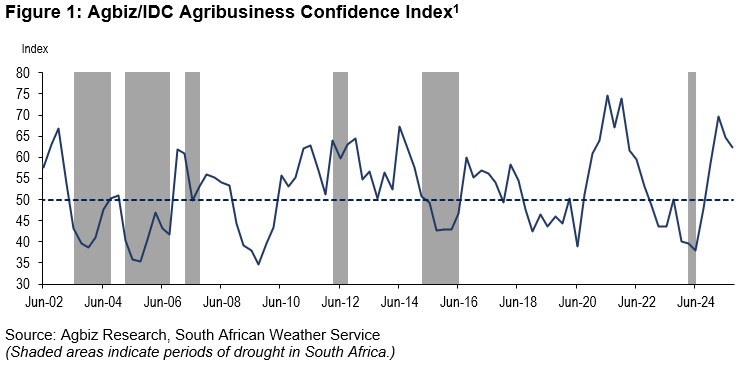
After rising for much of last year, the Agbiz/IDC Agribusiness Confidence Index (ACI) fell by 18 points in Q1 2026 to 49, the lowest level since Q3 2024. The spreading of foot-and-mouth disease, which continues to impose immense financial pressure on the cattle industry; African swine fever in the pig industry; and pressures from lower global prices in the sugar and wheat industries are amongst the key constraints that some respondents highlighted as major risks weighing on sentiment. Moreover, rising concerns about the impact of the Middle East conflict on energy and fertiliser prices also added to the downbeat mood in the sector.
The current ACI level of 49 is just under the 50-neutral mark, suggesting that South African agribusinesses are becoming somewhat pessimistic about business conditions in the country. This survey was conducted in the first week of March 2026 and covered agribusinesses operating across various agricultural subsectors nationwide.
Discussion of the subindices
The ACI comprises ten subindices, and most declined in Q1 2026. Here is the detailed view of the subindices.
- The turnover subindex confidence fell by 21 points from Q4 2025 to 50. This was primarily driven by views from winter crop-growing regions, which recorded relatively poor yields at a time when global wheat prices are under pressure. We also have concerns in the beef and dairy industry respondents due to the ongoing foot-and-mouth disease. Similarly, the net operating income subindex declined by 22 points to 43 in Q1 2026. This is the lowest level since the end of 2024 and is also underpinned by similar factors.
- The market share subindex deteriorated by 17 points to 54 in Q1 2026. Most respondents across the various subsectors shared this pessimism, and we suspect that the port inefficiencies in Cape Town also added to the downbeat mood.
- The employment subindex declined by 14 points to 39 points in Q1 2026. This mirrors the sector’s general sentiment, though it’s worth noting that the livestock industry is not the major employer in agriculture. Most jobs are in the horticulture, wine and field crop industries. Still, the downbeat mood may also reflect the sector’s broader mood amid the pressures of foot-and-mouth disease and the Middle-East issues.
- The capital investments subindex dropped by 20 points from Q4 2025 to 54. This major decline is again more about the sector’s general mood than about overall activity. For example, producers continue to invest in tractors and combine harvesters. South Africa’s tractor sales totalled 669 units in February 2026, up 5% year-on-year. The combine harvester sales were 19 units, up 63% from the previous month. These strong monthly sales follow the January 2026 uptick.
- The sub-index measuring export volumes deteriorated by 25 points from Q4 2025 to 50. Concerns about the impact of the Middle East conflict on logistics, along with rising shipping costs, may be the primary challenges here. Aside from these issues, the production conditions in horticulture and field crops look promising across South Africa.
- The general economic conditions subindex remained fairly resilient, dropping only by a point to 61 in Q1 2026. This lasting sense of optimism is consistent with the country’s general macroeconomic sentiment following S&P’s credit rating upgrades, South Africa’s removal from the FATF grey list, and numerous positive developments stemming from the implementation of Operation Vulindlela.
- The general agricultural conditions subindex fell by 31 points to 39 in Q1 2026. This is the lowest level since the end of 2024. The unfavourable production conditions in the Western Cape during the winter crop season, excessive rainfall in the northeastern parts of the country, and animal diseases are the major issues weighing on agricultural conditions.
Changes in interpretation
- The subindices of the debtor provision for bad debt and financing costs are interpreted differently from the abovementioned indices. A decline is viewed as a favourable development, while an increase signals growing financial strain.
- In Q1 2026, the debtor provision for bad debts indices weakened by 8 points to 39, reflecting tail-end gains from generally large agricultural harvests in the 2024/2025 season, mainly in field crops and horticulture. These better financial conditions continue to support agricultural machinery sales. The financing costs index declined by 21 points to 62. This was partly due to the recent decline in interest rates.
Concluding remarks
The ACI results for Q1 2026 show that all is not well in South Africa’s agriculture. “The livestock and pig industries are under immense financial pressure because of the diseases, and these results mirror the challenge at hand. What remains key is a speedy vaccination process that will get us off the current worrying path. The Middle East conflict also presents new challenges, complicating our exports to the region and putting pressure on fuel and fertiliser prices. These factors may weigh on the sector as we approach the 2026/2027 winter crop season and later in the 2026/2027 summer crop season,” said Wandile Sihlobo, chief economist of the Agricultural Business Chamber of SA (Agbiz).
ISSUED BY:
Wandile Sihlobo (chief economist: Agbiz)
E-mail: wandile@agbiz.co.za
https://agbiz.co.za/content/economic-research?page=agribusiness-confidence
Fact of the month
Bees are vital to agriculture and ecosystems, playing a key role beyond honey production by supporting food security, biodiversity, and healthy habitats. They pollinate over 75% of the world’s leading food crops, improving yields and quality of fruits, nuts, and vegetables, sustaining ecosystems and economies, and without them many nutritious foods would not exist.
 Source: https://www.up.ac.za/news/expert-opinion-bees-are-vital-human-health-and-food-security#:~:text=Bees%2C%20together%20with%20other%20insect,floral%20beauty%20of%20our%20landscapes
https://kimd.org/the-importance-of-bees-in-agriculture-and-ecosystems/#:~:text=Bees%20are%20one%20of%20the,their%20yields%20would%20drop%20significantly
Weather and climate
NATIONAL ASSESSMENT
As of mid-April 2026, the equatorial Pacific is in an ENSO-neutral state but rapidly transitioning toward El Niño. The latest CCSR/IRI ENSO plume forecast gives a 70% chance of El Niño developing in April to June 2026 versus 30% for continued neutrality, with El Niño remaining dominant through the rest of 2026 at high probabilities of 88% to 94%.
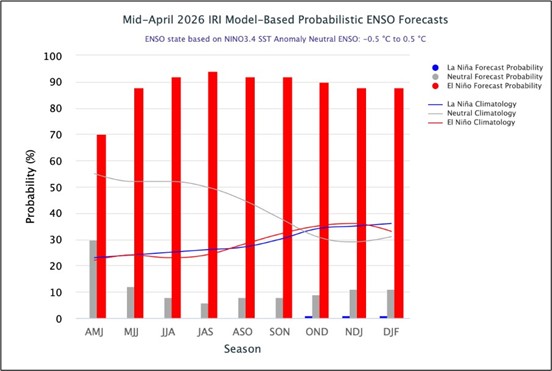
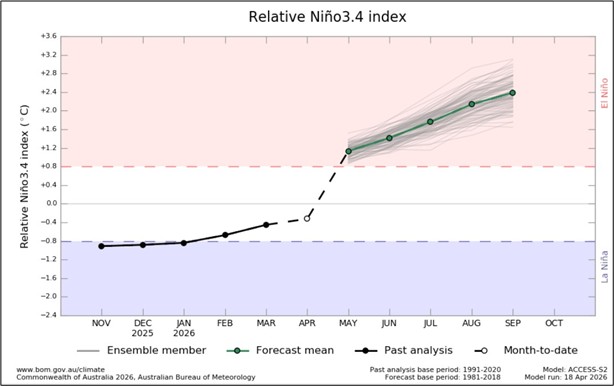
The Bureau of Meteorology’s model indicates that the ENSO is currently neutral. All models, including the bureau’s forecast the tropical Pacific to continue warming in the coming months. Neutral ENSO conditions are likely to persist until at least late autumn, with all models indicating warming to levels consistent with El Niño by July.
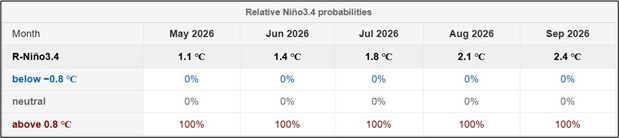
The graph below reflects current La Niña in the tropical Pacific. The 2025/2026 La Niña continues to weaken. The graph supports the prediction of an ENSO-neutral state to late autumn, at least, and warming to El Niño levels in July.
http://www.bom.gov.au/climate/ocean/outlooks/?index=nino34
The latest Climate Watch issued by the SA Weather Service (07 April 2026) states that during late autumn and winter seasons, only the southern, south-western, and eastern coastal regions of the country receive significant rainfall.
Above-normal rainfall is anticipated in the south-eastern and eastern coastal regions during late autumn, with only the eastern coastal areas expected to experience above-normal precipitation in the winter months. This is likely to bring positive impacts for crop and livestock production. However, the south-western part of the country, which normally receives significant rainfall during the winter season, is expected to receive below-normal rainfall during this period. Therefore, the relevant decision-makers are encouraged to advise farmers in these regions to practice soil and water conservation, proper water harvesting and storage, and other appropriate farming practices.
Source: https://www.weathersa.co.za/Documents/SeasonalForecast/SCOLF202601_03022026115119.pdf
SUNSPOTS
Sunspots are darker, cooler areas on the sun’s surface that arise due to disturbances in the sun’s magnetic field. Sunspots vary in numbers throughout the eleven-year solar cycle.
According to a study published on Science Direct the rainfall rate can be directly related to the sunspot number, but shows different characteristics during solar maximum (the peak of the sun’s eleven-year solar cycle) years. Though a lag correlation exists between sunspot number and rainfall, sunspots have an increasing effect on rainfall. Studies show that the more sunspots are present the higher the rainfall and the less sunspots the lower the rainfall.
ENSO occurs at irregular intervals between three and seven years causing global climate system variation. Considering this event occurs periodically, it might be triggered by the eleven-year solar cycle as an energy source.
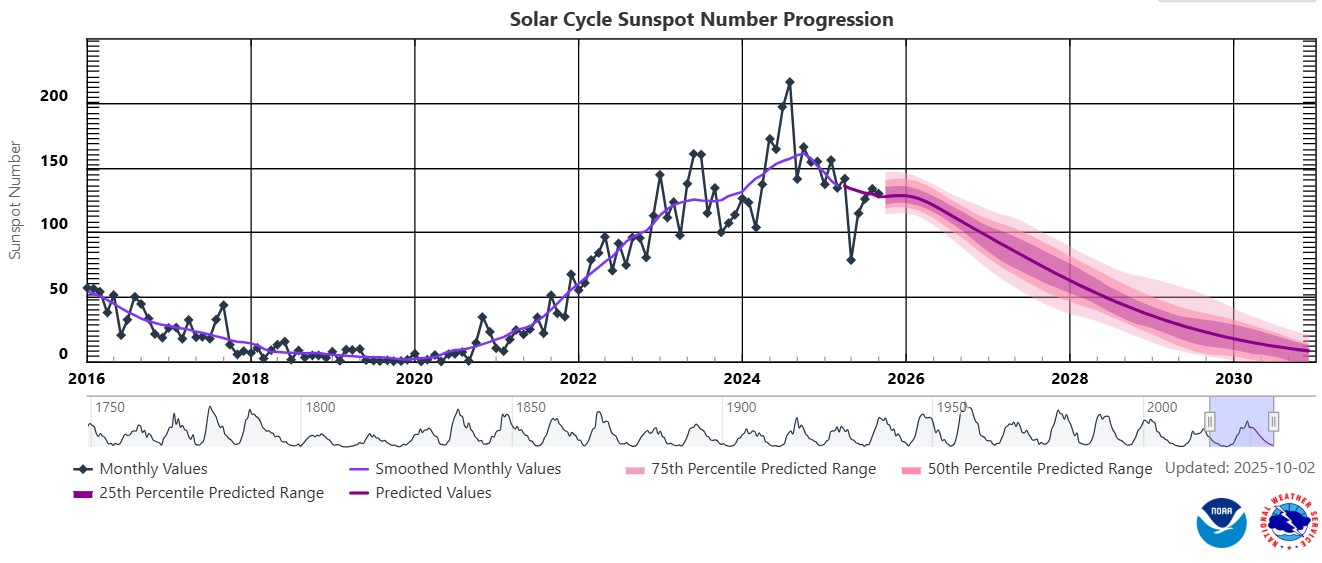
The graph below shows the latest eleven-year solar cycle. An upward trajectory suggests that higher rainfall can be expected, characteristic of a La Niña. A downward trajectory suggests that lower rainfall can be expected, characteristic of an El Niña.
Between October 2020 to February 2025 the actual sunspot numbers were higher than the predicted values. March 2026 falls outside of the predicted range, with a monthly mean sunspot value of 85,9.
Sources: https://www.spaceweatherlive.com/en/solar-activity/solar-cycle.html https://www.sciencedirect.com/science/article/abs/pii/S136468262200116X#:~:text=It%20was%20observed%20that%20rainfall,an%20increasing%20effect%20on%20rainfall
https://www.space.com/solar-cycle-frequency-prediction-facts
https://eos.org/articles/why-did-sunspots-disappear-for-70-years-nearby-star-holds-clues https://aip.scitation.org/doi/abs/10.1063/1.4930679?journalCode=apc#:~:text=ENSO%20occurs%20at%20irregular%20interval,cycle%20as%20an%20energy%20source
Market risk
GRAIN MARKET ANALYSIS
- Ending stock – national
Ending stock data is gathered from the NAMC. The estimates are reassessed and reported by the Grain & Oilseeds supply & demand estimates committee. The following is the projected ending stock for April 2026 in tonnages for the 2025/2026 season:
- White maize => 2 561 362 t
- Yellow maize => 834 430 t
The following is a summary of September 2025 ending stock projections for the 2024/2025 season:
- Wheat => 465 114 t
The following is a summary of February 2026 projected ending stock for the 2025/2026 season:
- Sunflower => 46 592 t
- Soybeans => 196 553 t
- Sorghum => 90 557 t
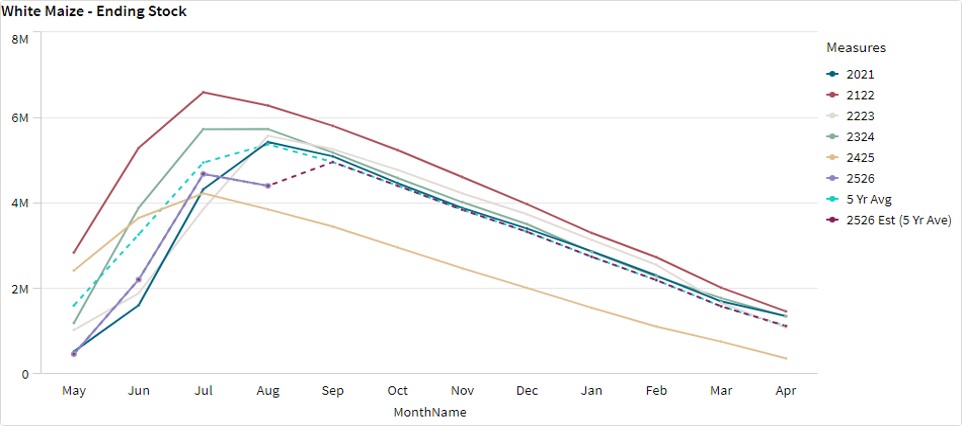
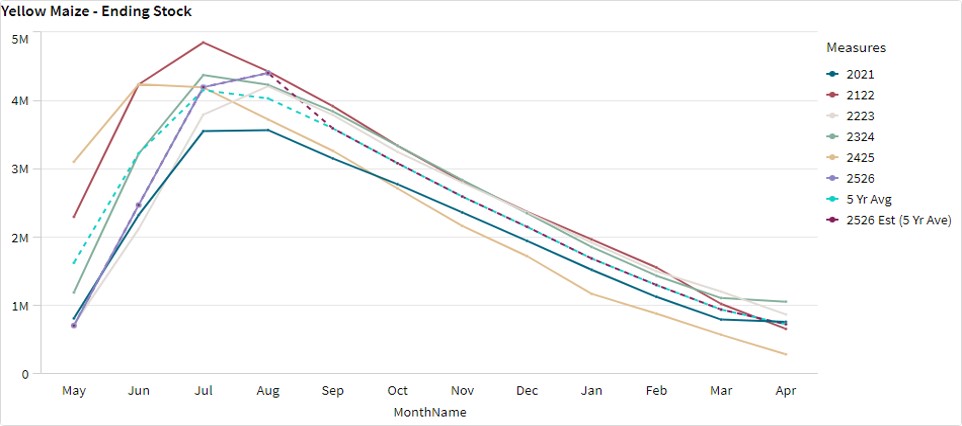
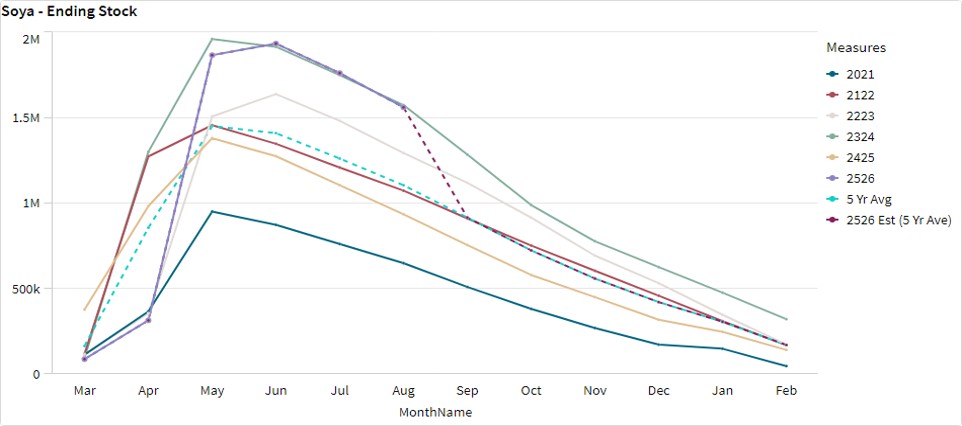
The graphs below show the predicted ending stock for the different commodities according to SAGIS data. A five-year average has been calculated to determine the estimated ending stock for the current season.
The estimated white maize ending stock for April 2026 is 1 123 101 tons. That is 757 603 tons more than the final ending stock for the 2024/2025 season. The estimated yellow maize ending stock for April 2026 is 727 576 tons. That is 439 284 tons more than the final ending stock for the 2024/2025 season.
The current sunflower ending stock for the season 2025/2026 is 26 649 tons less than the estimated five-year average.
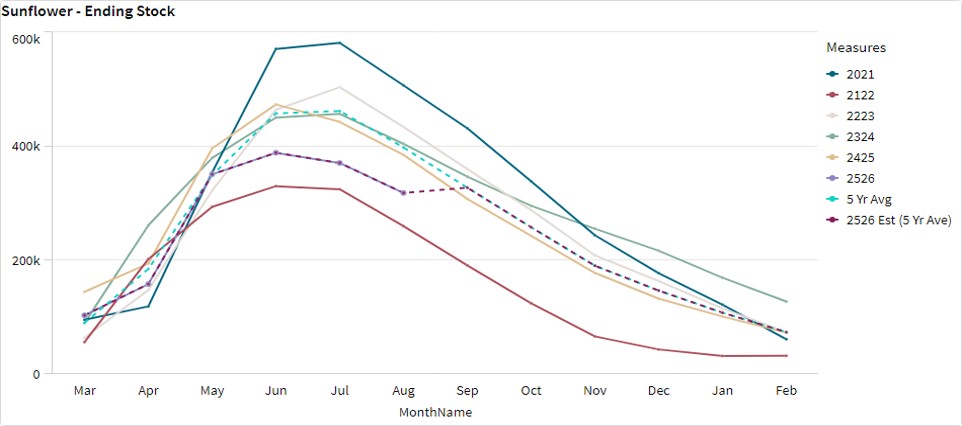
The current soybean ending stock for the season 2025/2026 is 116 993 tons more than the estimated five-year average.
- Crop estimations
According to the Crop Estimate Committee (CEC) second production forecast for 2026, the total area estimate for maize in South Africa is 2,716 million ha, which is more than the 2,597 million ha planted for the previous season. The total forecasted tons for white and yellow maize are 16 million tons from the second forecast.
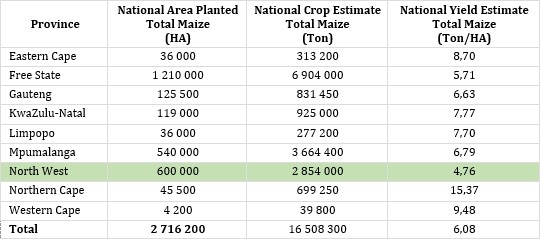
Source: CEC
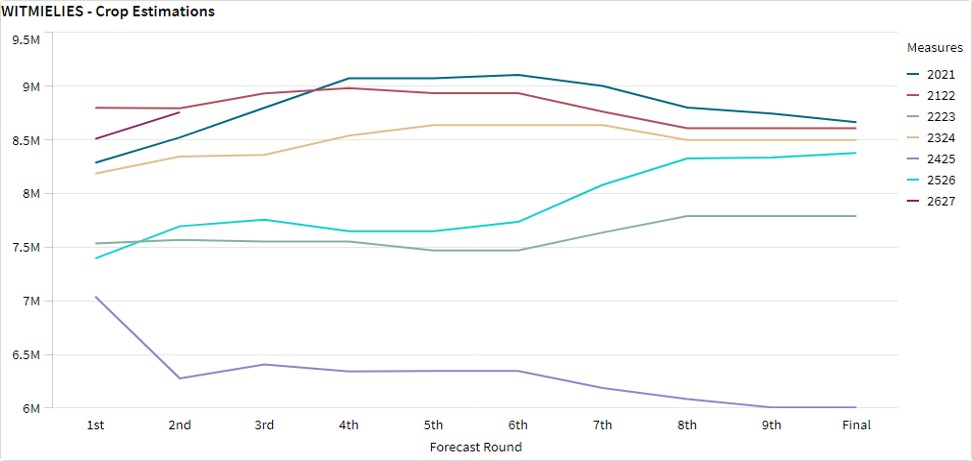
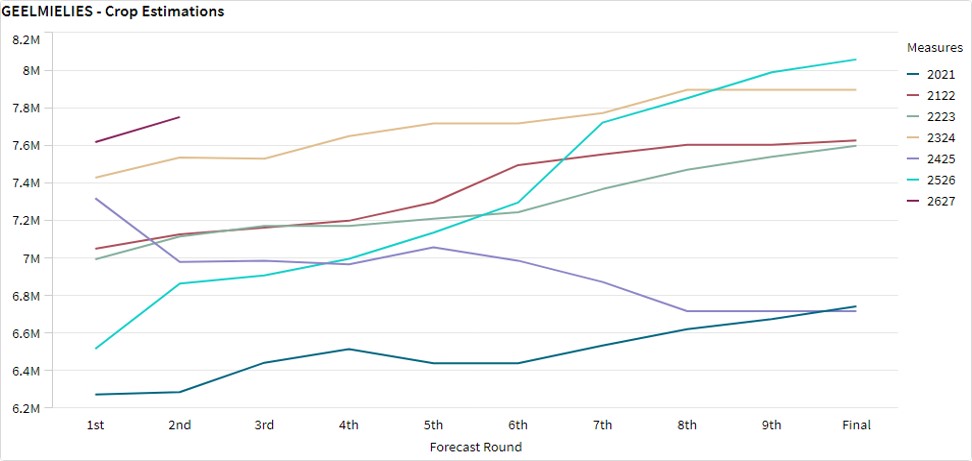
- Production forecast sunflower
The production forecast for sunflower seed is 778 115 tons. The area estimate for sunflower seed is 570 100 ha while the expected yield is 1,36 t/ha.
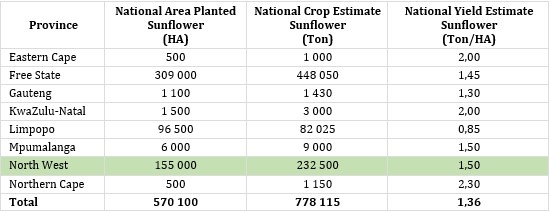
Source: CEC
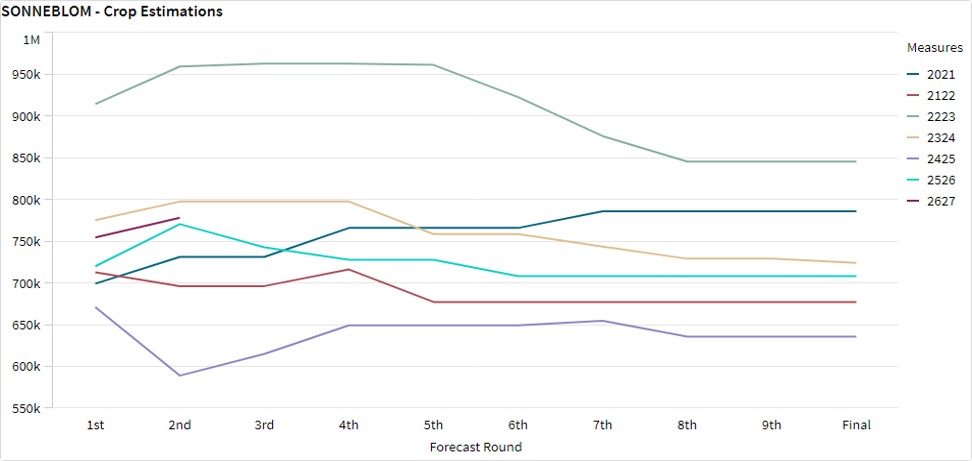
- Production forecast soybeans
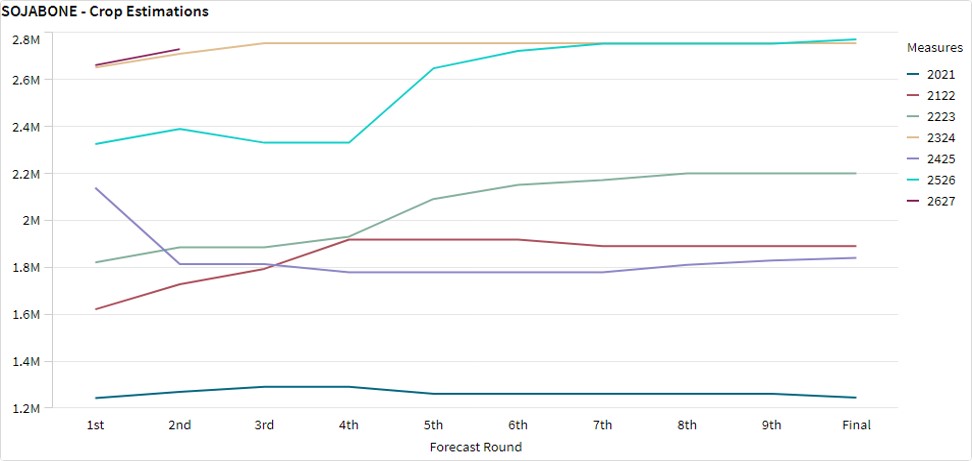
The production forecast for soybeans is 2,729 million tons. The estimated area for soybeans is 1,212 million ha with an expected yield of 2,25 t/ha.
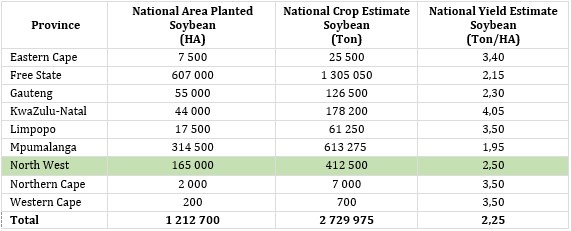
Source: CEC
- Imports and exports – national
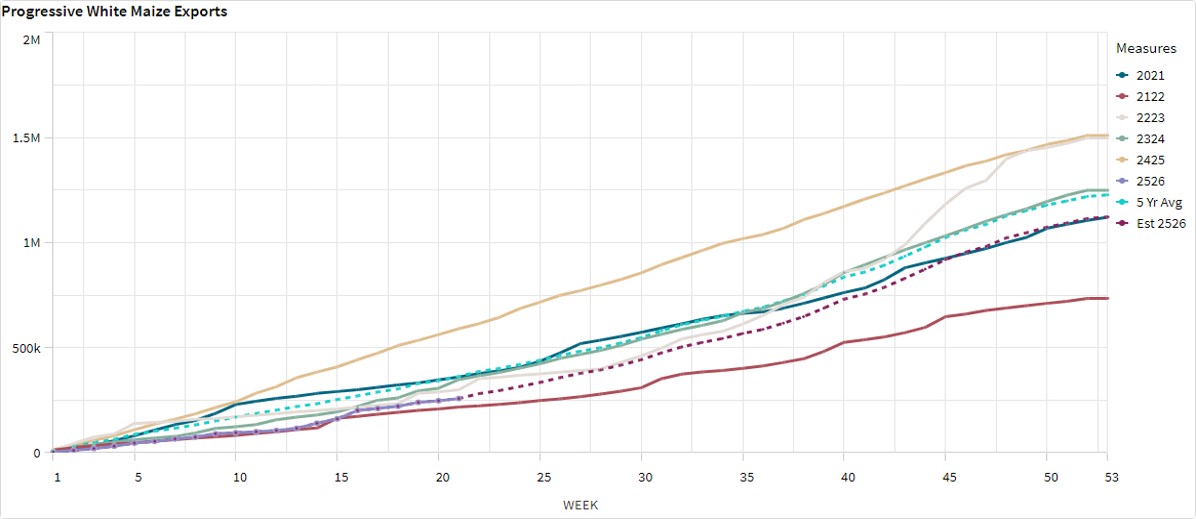
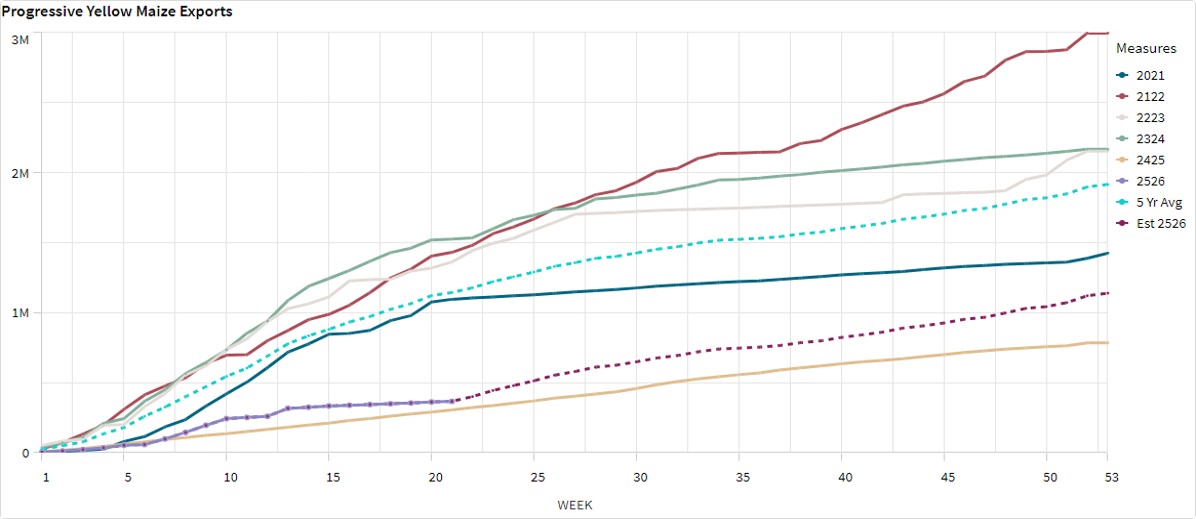
For the production season ending April 2026, 1 002 136 tons of white maize and 783 472 tons of yellow maize have been exported so far as seen in the graphs below.
- Parity prices
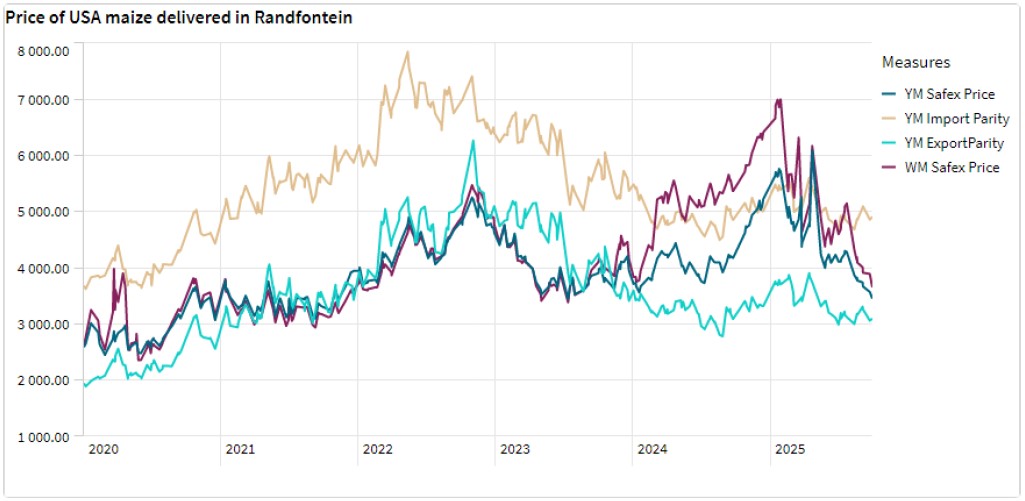
South Africa is a small producer compared to other countries and is thus a price taker (meaning that we cannot influence world prices). Because of this, our local prices are normally between import and export parity, which is illustrated in the figure below. An import parity price is defined as the price which a buyer will pay to buy the product on the world market. This price will include all the costs incurred to get the product delivered to the buyer’s destination.
An export parity price is defined as the price that a local seller could receive by selling his product on the world market e.g., excluding the export costs. The price which the seller obtains is based on the condition that he delivers the product at the nearest export point (usually a harbour) at his own expense.
The graph below reflects the SAFEX price, import parity and export parity of yellow maize as well as the SAFEX price of white maize. The import and export parity prices for white maize is not released by Grain SA for this period.
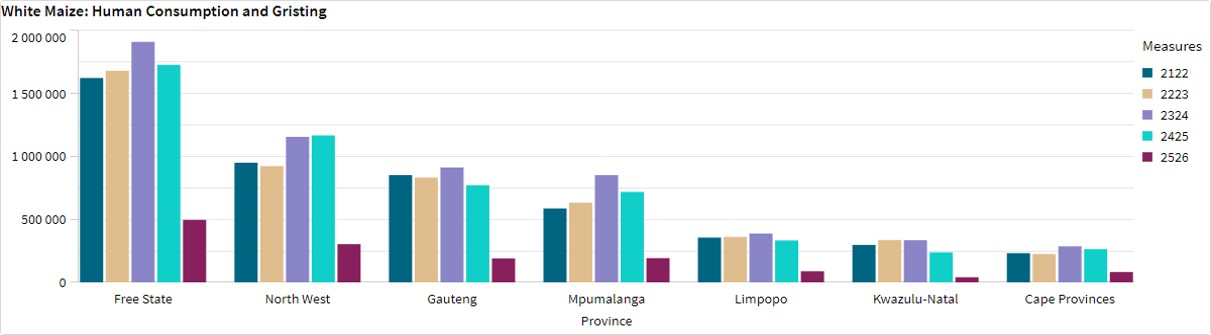
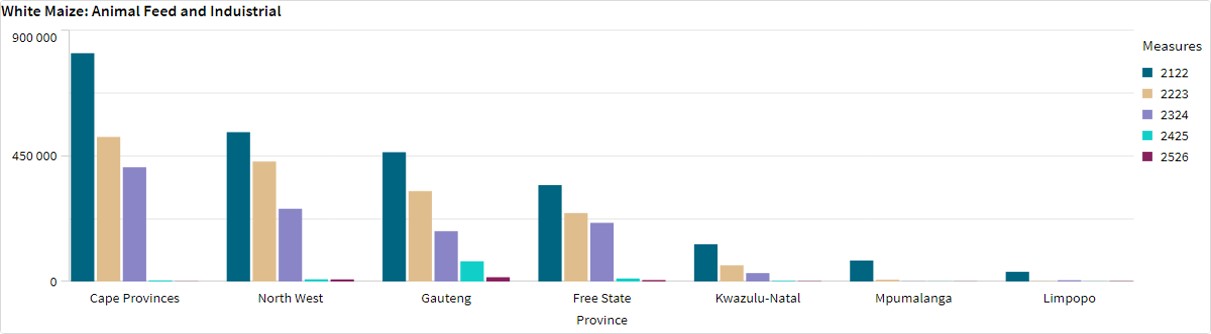
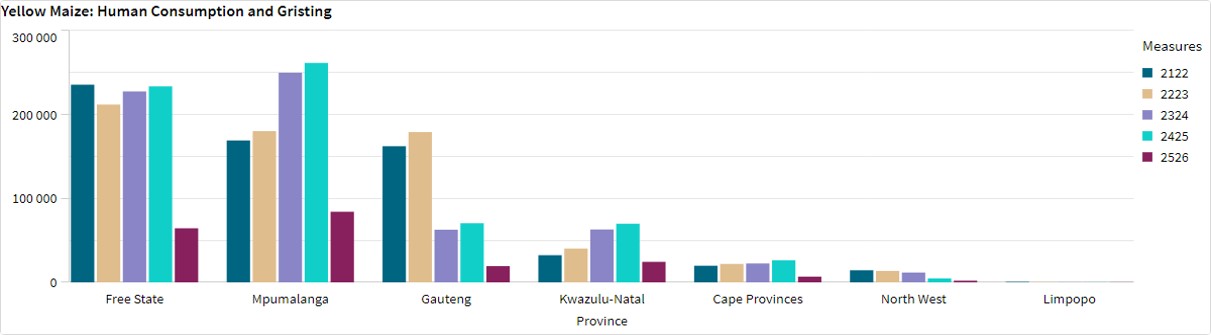
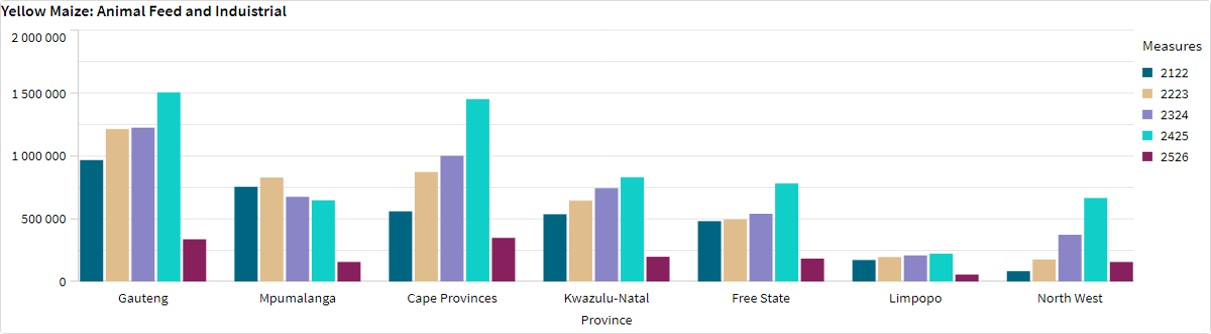
- Grain processing per province
For the marketing year 2025/2026 – May 2025 to April 2026 – the Free State dominates the white maize that is used for human consumption and gristing. North West consumed the second most white maize produced for human consumption for the marketing year.
The Free State used the most, white maize for animal feed and industrial usage with Gauteng using the second most.
Mpumalanga processed the most yellow maize for consumption and gristing and the Cape Provinces processed the most yellow maize for animal feed and industrial purposes.
- Exchange rate
NWK Group is exposed to foreign exchange rate risk in various business areas, such as commodity prices and trade imports, etc.
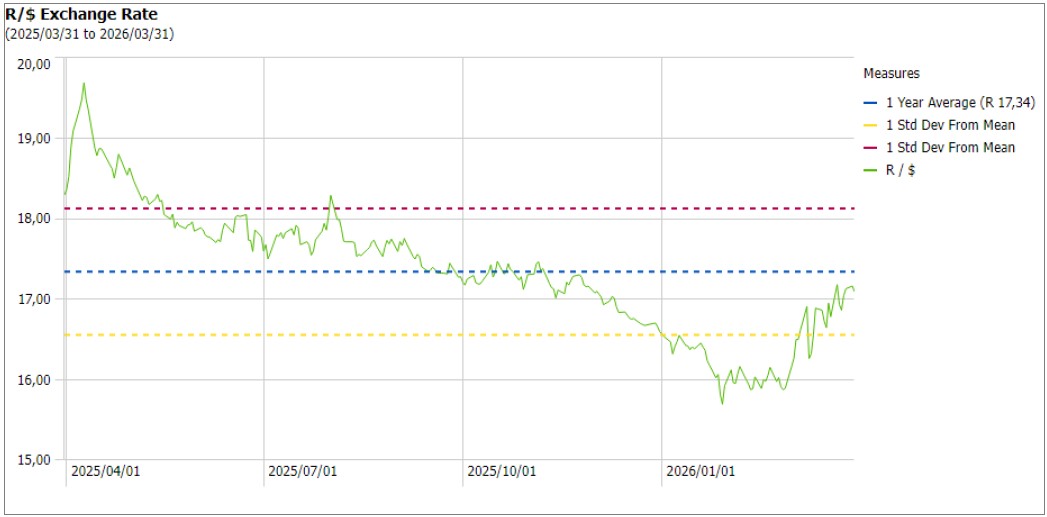
The rand traded at a monthly average of R16,74 against the dollar for the month of March, that is 4,72% more than in February.
Source: Trading Economics
Interest rate
All major rating agencies, i.e., Moody’s, S&P and Fitch, have South Africa’s credit ratings in sub-investment-grade territory. S&P, however, raised the country’s investment status for the first time in nearly two decades from BB- to BB.
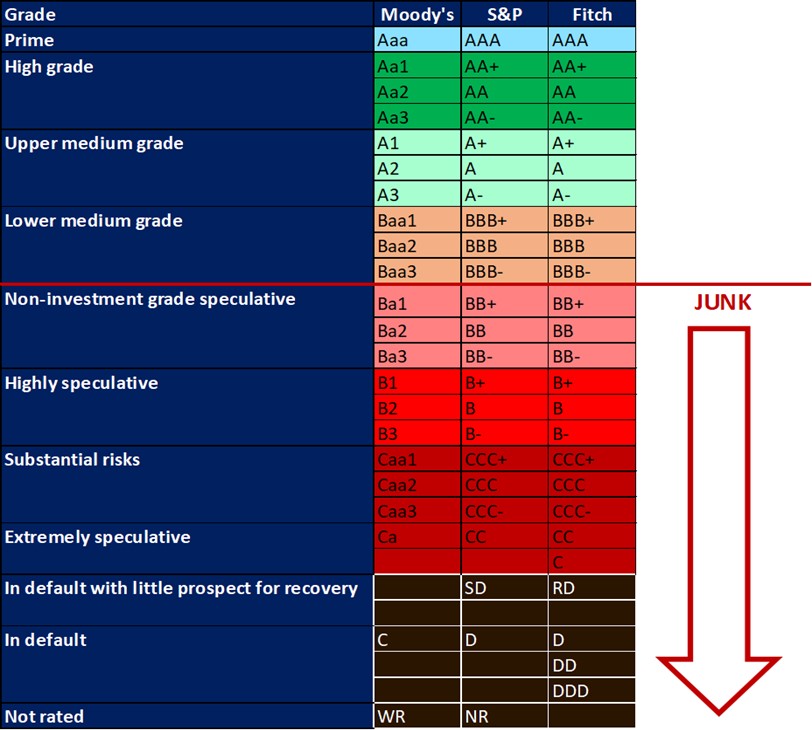
The South African Reserve Bank is also having new discussions around the repo rate, how it is calculated and whether it should still exist. The rate has been fixed at 350 basis points above the country’s monetary policy rate since 2001. These discussions will be monitored over time to see how things unfold.
Source: https://www.spglobal.com/ratings/en/regulatory/article/-/view/type/HTML/id/3479175
https://www.moneyweb.co.za/news/economy/kganyago-favours-ending-use-of-prime-rate/
https://www.moneyweb.co.za/moneyweb-radio/safm-market-update/prime-interest-rate-what-is-it-and-do-we-need-it/
- Interest rate
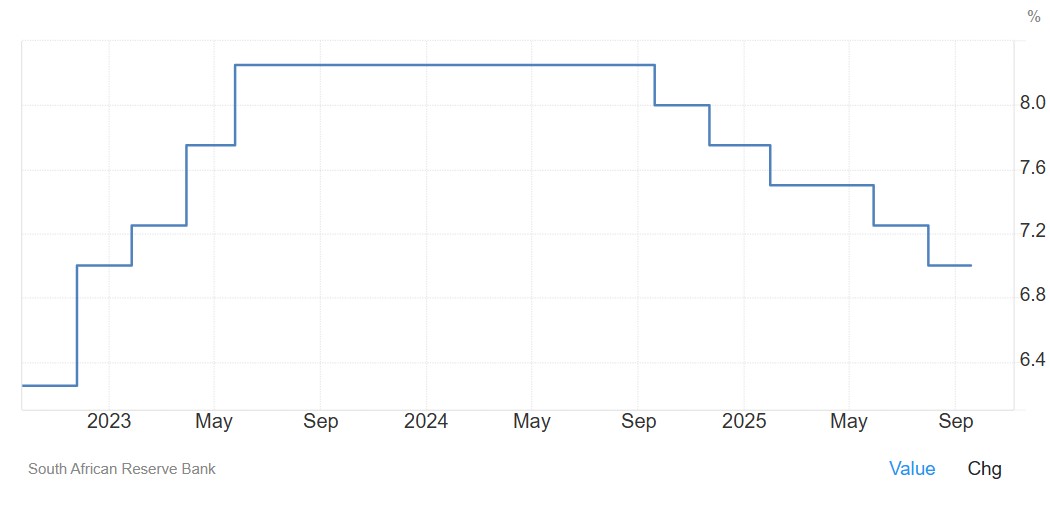
During the previous Monetary Policy Committee (MPC) meeting held on 26 March 2026 the committee decided to keep interest rates unchanged. The repo rate is still 6,75% and the prime rate is 10,25%. The next MPC meeting will be held on 28 May 2026.
Interest rate movement:
30th January 2025 – 11,00%
20th March 2025 – 11,00%
29th May 2025 – 10,75%
31st July 2025 – 10,50%
18th September 2025 – 10,50%
20th November – 10,25%
29th January – 10,25%
26th March – 10,25%
- Current interest rate
The South African Reserve Bank unsurprisingly held its key repo rate at 6,75% on March 26, 2026, marking a second consecutive pause, citing upside risks to the inflation outlook due to the ongoing Middle East conflict. Policymakers noted that inflation was moving in a positive direction, matching the 3% target in February, but higher energy prices are expected to push inflation higher in the near term.
Headline inflation is projected to rise to around 4% in the second quarter, led by fuel inflation exceeding 18%, before gradually easing back to 3% by late next year under the baseline forecast. Overall, Inflation forecasts were raised to 3,7% for 2026 (from 3,3%) and to 3,3% for 2027 (from 3,2%).
The central bank also revised its policy outlook, now projecting only one rate cut instead of two previously, while assessing two possible Iran conflict scenarios, a short-term two-month scenario and a prolonged one-year scenario, both implying the need for higher interest rates.
Source: South African Reserve Bank: Trading economics
- Inflation rate
As the inflation rate is a driver for increases and decreases in interest rates the current rate and forecast have to be assessed to foresee further increases in the interest rate.
- Current
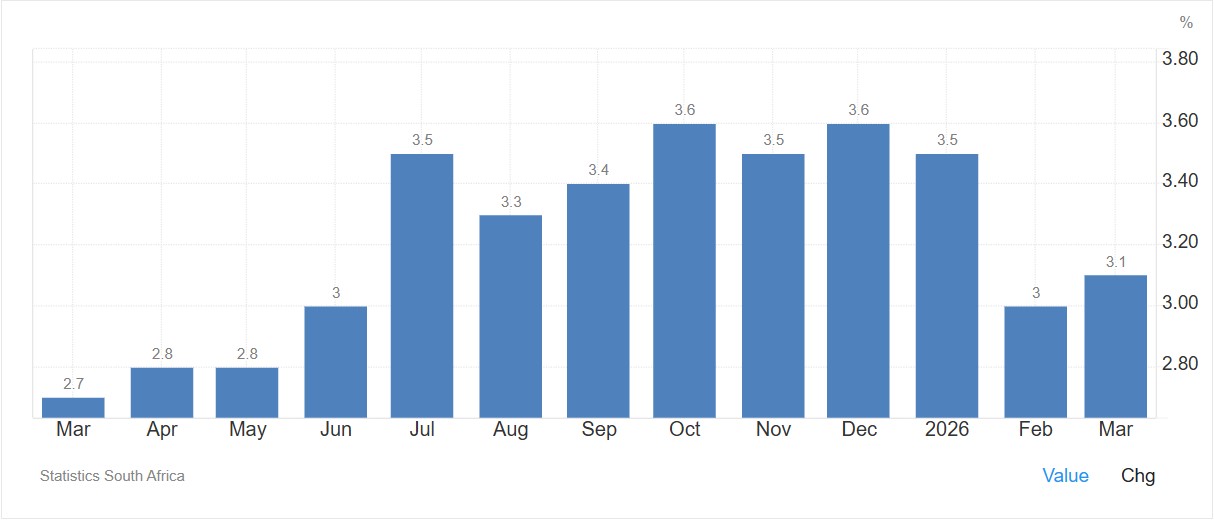
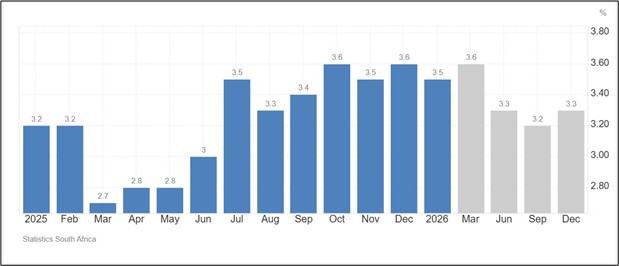
South Africa’s annual inflation rate edged up to 3,1% in March 2026 from 3% in the prior month, matching market expectations. In March, the impact of the Middle East conflict was only starting to feed into domestic prices. The main positive contributors were housing & utilities (5,1% vs 4,8% in February); food & non-alcoholic beverages (3,6% vs 3,7%) and insurance and financial services (4,6% vs 4,5%).
In the meantime, prices fell at a slower pace for transportation (-1,6% vs -2,1%). The annual core inflation rate, which excludes food, non-alcoholic beverages, fuel, and energy, rose to 3,2% from a seven-month low of 3,0% in the prior month. On a monthly basis, the CPI rose by 0,6%, after a 0,4% increase in the prior month.
Source: Statistics South Africa
- Inflation rate per month
- Inflation rate forecast
Inflation rate in South Africa increased to 3,10% in March from 3% in February of 2026. Inflation rate in South Africa is expected to be 4% by the end of this quarter, according to Trading Economics global macro models and analysts’ expectations. In the long-term, the South Africa Inflation rate is projected to trend around 3,3% in 2027 and 3% in 2028, according to their econometric models.
- Highlights in the agrochemical sector
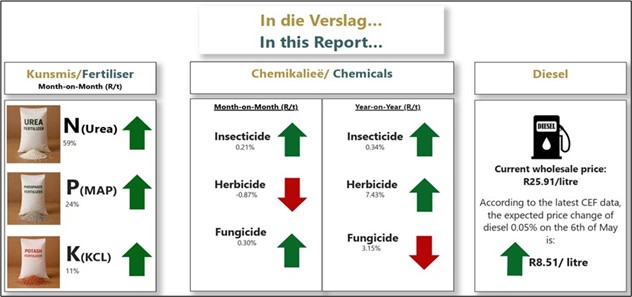
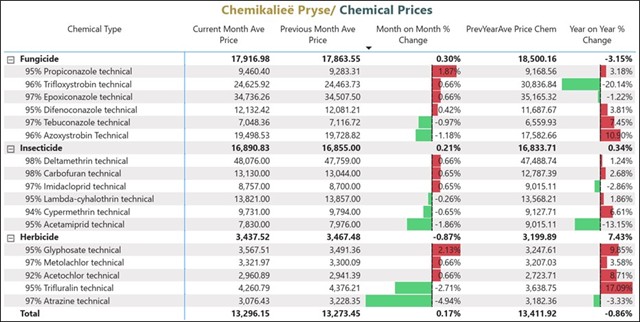
Insecticide and fungicide prices increased on average in a month-on-month period with 0,21% and 0,30%, respectively. Herbicide prices decreased on average, month-on-month, with 0,87%.
On a year-on-year basis, chemical prices for insecticides and herbicides increased by 0,34% and 7,43%, respectively. Fungicides are down 3,15%.
- Fuel costs
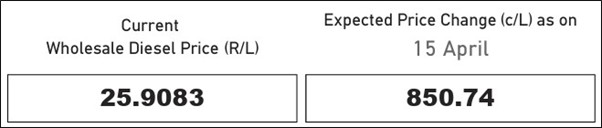
The wholesale diesel price is currently R25,91 per litre, with an expected increase of approximately R8,51 per litre on 6 May 2026. At the same time, the rand/US dollar exchange rate, currently at R16,36/$, has shown slight strengthening. While a stronger rand typically helps to cushion fuel price increases, it has not been sufficient to offset the upward pressure from international oil prices, reinforcing expectations of another price increase in the upcoming adjustment period.
The government provided for an R3 per litre reduction in the fuel levy as temporary relief from higher fuel costs, effective for one month, whereafter the government will assess the matter once again. That being said, South African Revenue Service (SARS) Commissioner-designate Dr Ngobani Johnstone Makhubu says that the R3 per litre fuel tax relief offered to consumers in April will have to be repaid in one way or another.
Sources: https://www.grainsa.co.za/upload/report_files/Input-Monitoring-Report—April-2026.pdf
https://aa.co.za/fuel-pricing/
https://www.sanews.gov.za/south-africa/godongwana-r3-fuel-levy-relief-cushion-south-africans#:~:text=The%20intervention%20comes%20into%20effect,51%20per%20litre
https://businesstech.co.za/news/finance/856079/petrol-price-relief-for-south-africa-puts-sars-on-alert/
Future prices
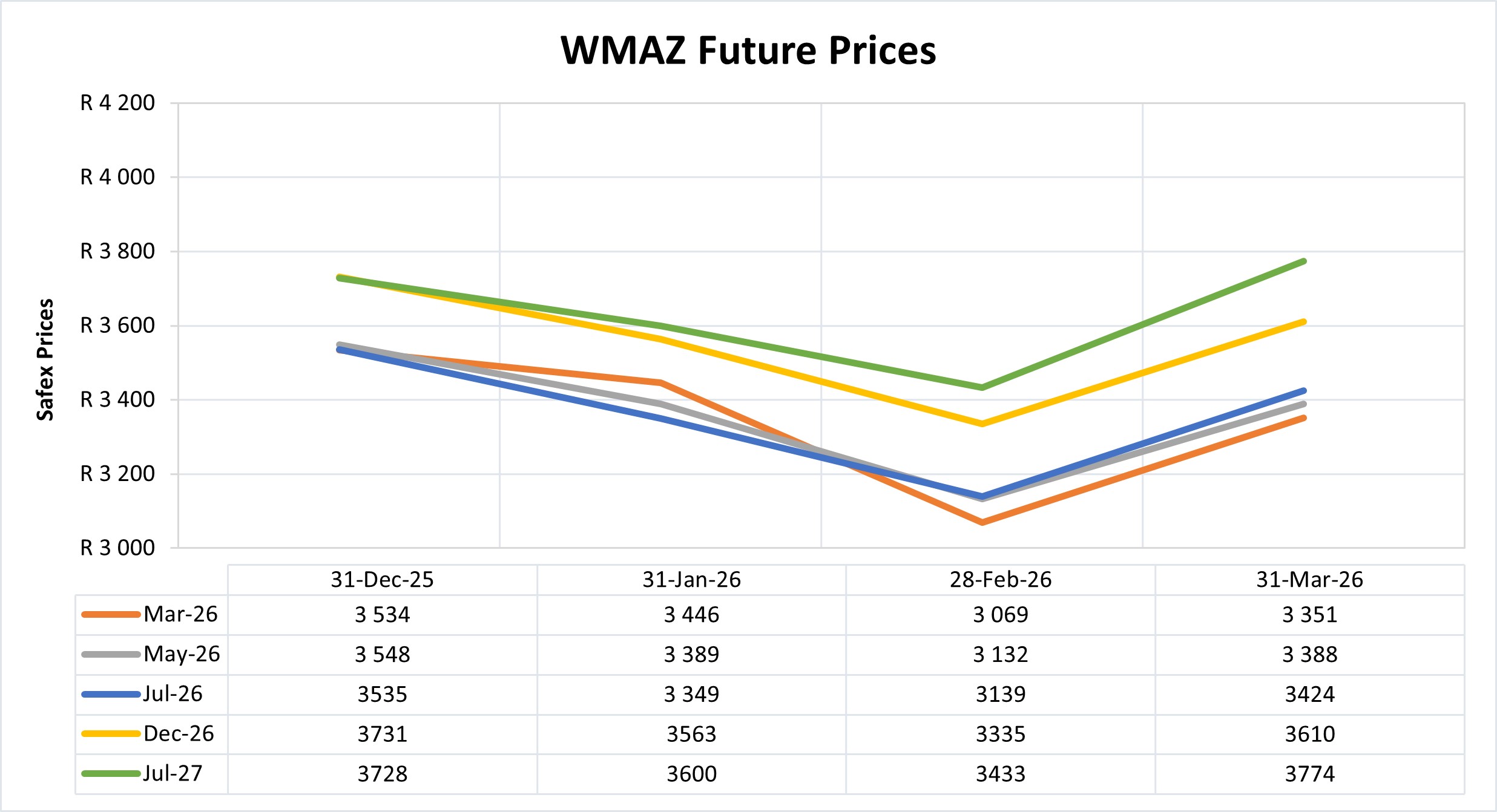
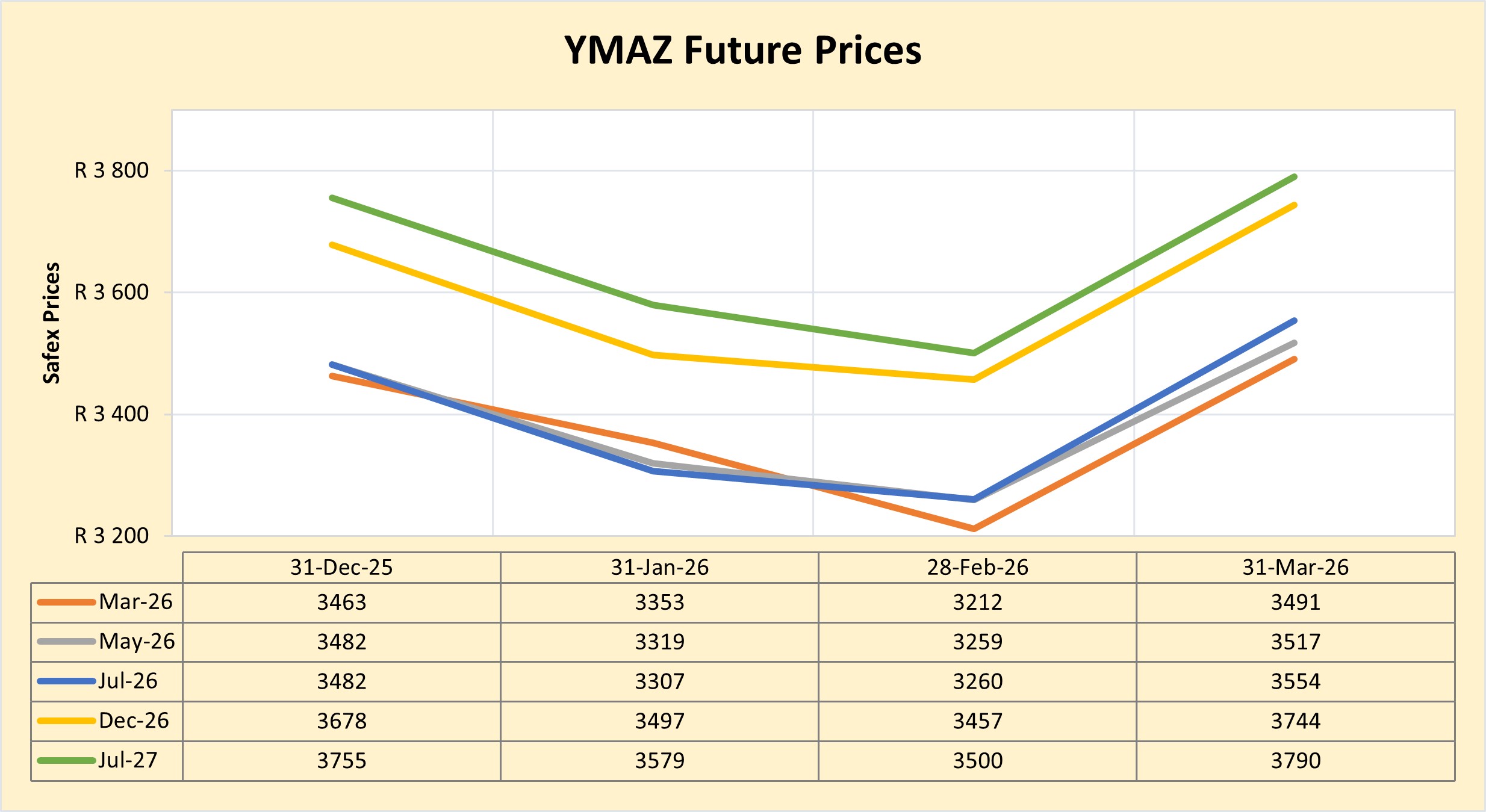
The graphs below illustrate the market sentiment for maize, in the form of future contracts, for the upcoming contract months. The market sentiment is the expectation of supply and demand fundamentals relating to white‑ and yellow maize in South Africa.
- Domestic market overview
As of March 2026, maize prices in South Africa showed an upward trend, driven by several interrelated factors. The depreciation of the rand against the US dollar increased the cost of imports, thereby placing upward pressure on domestic prices. At the same time, rising crude oil prices contributed to higher production and transportation costs, which in turn supported stronger grain futures. In addition, elevated global commodity prices, particularly those reflected on the Chicago Board of Trade (CBOT), raised import parity levels, compelling local prices to adjust in line with international market conditions.
Fraud risk
FRAUD AWARENESS
Scammers are increasingly using a type of malicious software called a Remote Access Trojan (RAT) to gain control of people’s phones or computers without their knowledge.
A RAT allows criminals to remotely access and control a victim’s device. Once installed, fraudsters can monitor activity, capture sensitive information, and even operate banking apps in real time while the victim is using the device.
How these scams work
RAT scams usually start with a social engineering tactic, where criminals pressure victims into installing malicious software.
Typical steps include:
- Initial contact: The victim receives a call or message (SMS or WhatsApp) from someone pretending to represent a bank, courier service, or government department.
- Creating urgency: The scammer claims there is an urgent issue with the victim’s account, a delivery, or suspicious activity that needs immediate attention.
- Malware installation: The victim is asked to click a link or download an app to “resolve” the issue. The app actually contains RAT malware.
- Device takeover: Once installed, the fraudster gains remote access to the device without the victim realising it.
- Fraud execution: The criminal can monitor the screen, capture login details and one-time pins (OTPs), and perform banking transactions.
Red flags to watch for:
Fraudsters often rely on pressure and urgency. Be cautious if you are:
- Asked to act immediately.
- Told your account will be blocked.
- Asked to install software to fix a problem.
- Asked to stay on the call while logging into your banking app.
- Instructed to approve transactions to supposedly reverse frau.
IF YOU SUSPECT RAT FRAUD
Act immediately:
- Contact your bank to report the fraud and secure your accounts.
- Report the incident to the police.
- Monitor your accounts for suspicious transactions.
In South Africa, you can also contact a credit bureau or the Southern African Fraud Prevention Service (SAFPS).
Source: https://personal.nedbank.co.za/learn/blog/steps-fraud-victims-should-take.html
https://businesstech.co.za/news/banking/849880/new-warning-to-south-africans-using-banking-apps-on-their-phones/#:~:text=Banking-,New%20warning%20to%20South%20Africans%20using%20banking%20apps%20on%20their,take%20control%20of%20your%20device
https://www.itweb.co.za/article/when-rats-attack-the-new-face-of-banking-fraud-targeting-south-africans/raYAyMorJ3k7J38N